
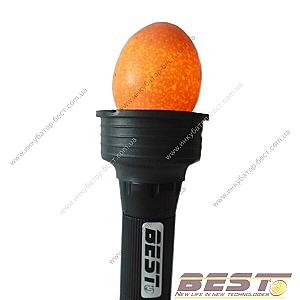
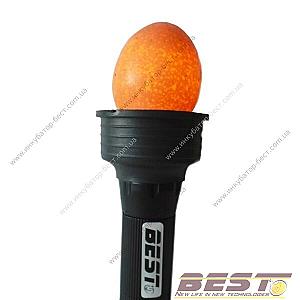
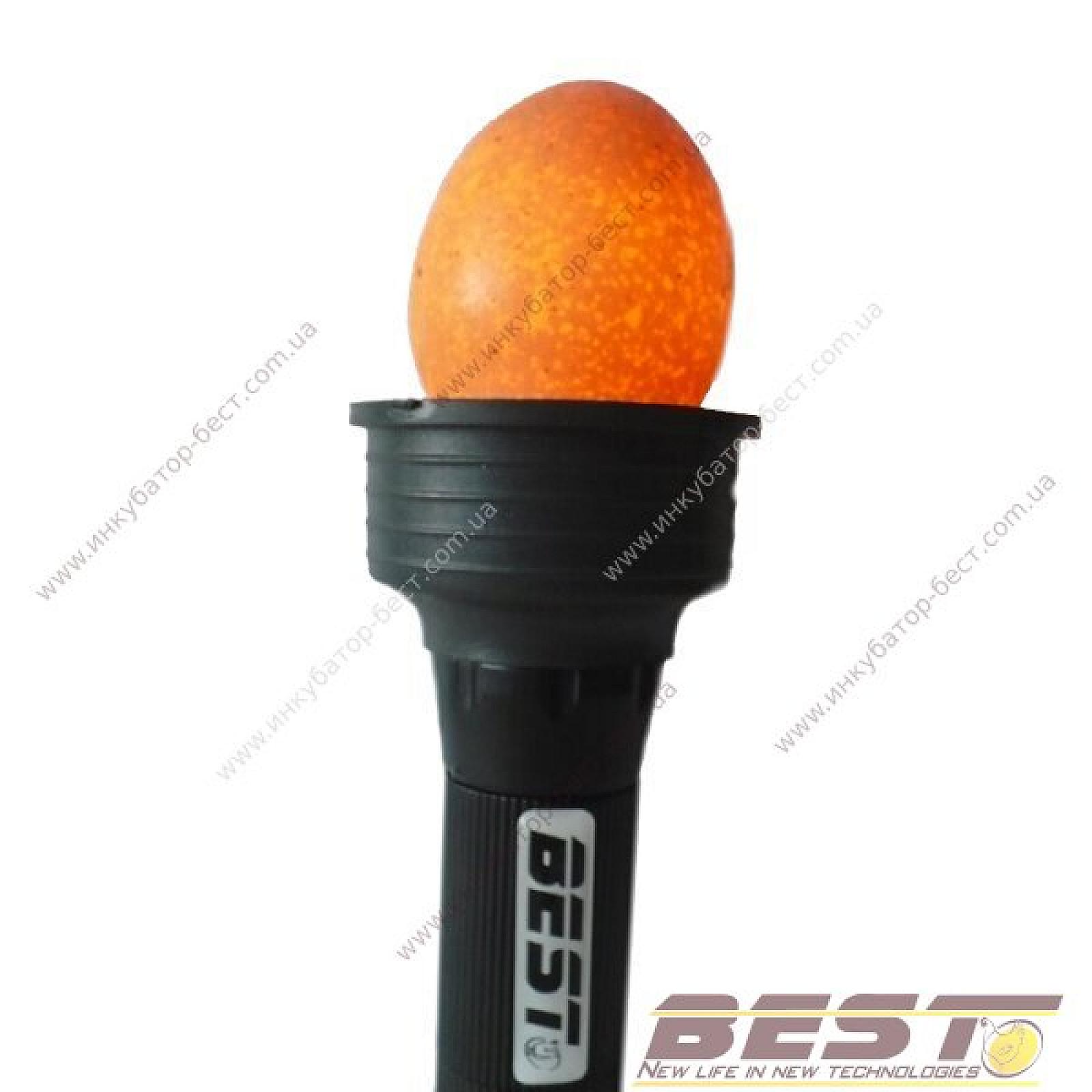
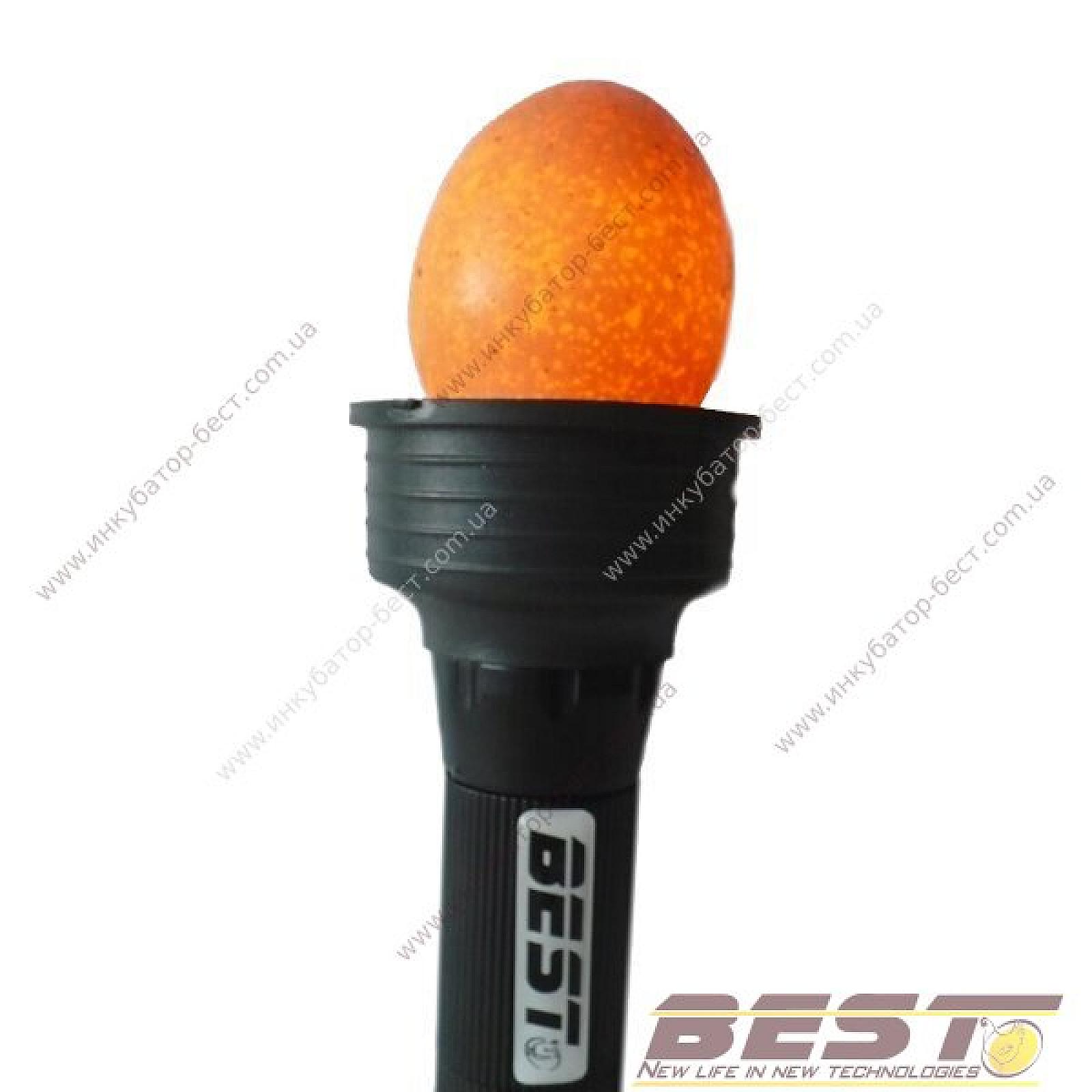
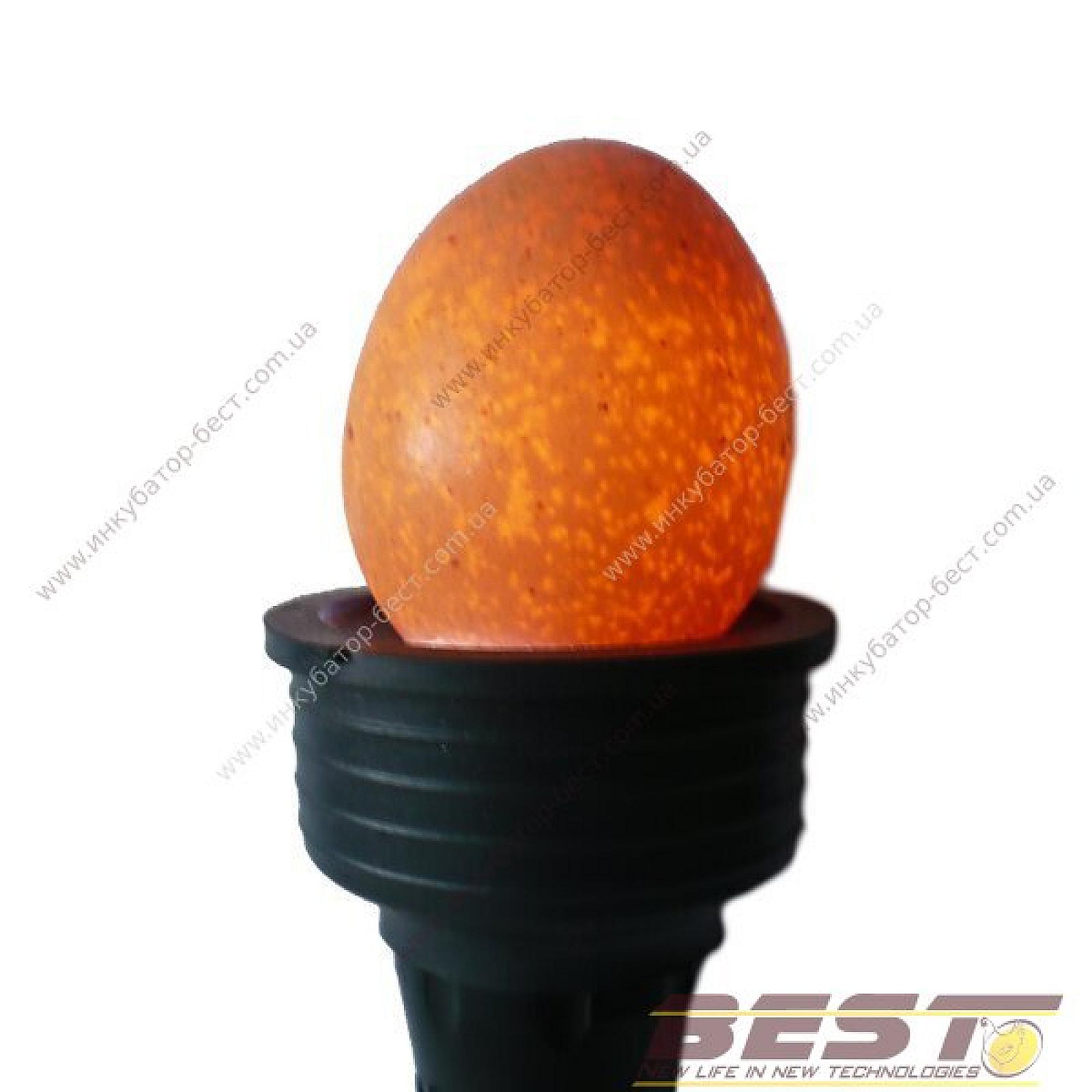
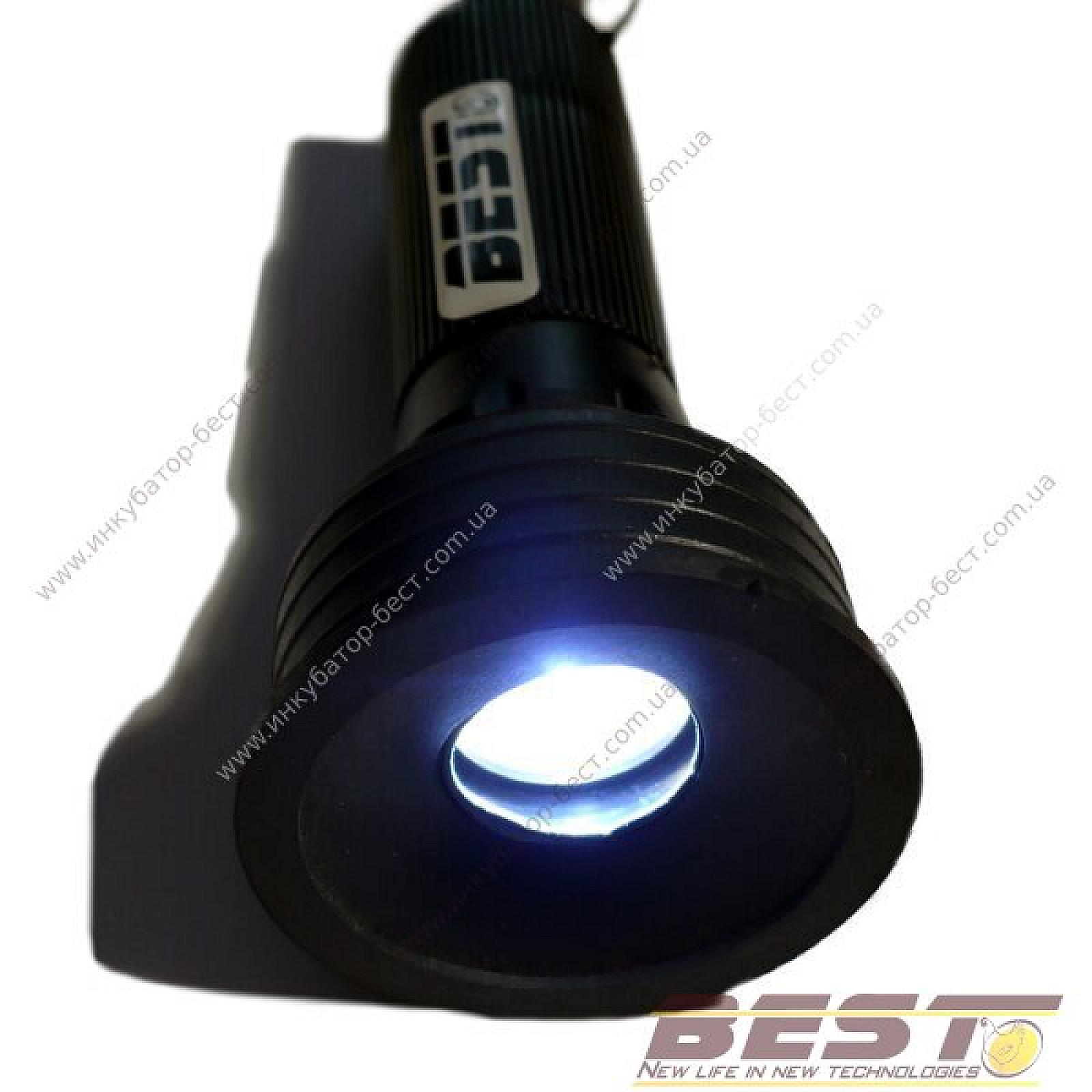
Ovoscope Ovik
240.00 ₴
Description
Technical Specifications of the Egg Scanner:
Power supply: 3 AAA batteries (included);
Power consumption: 1–3 W;
LED lifespan: at least 60,000 hours;
Operating time when turned on: limited by battery life.
Weight, kg: no more than 0.35
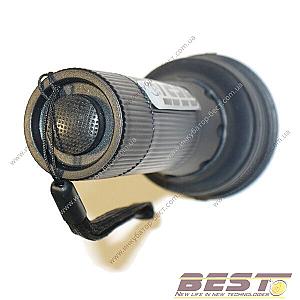
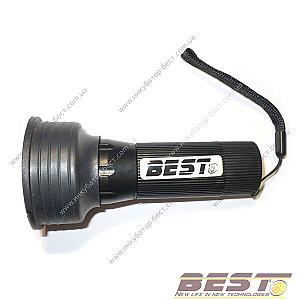
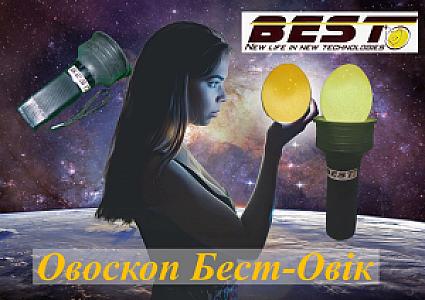
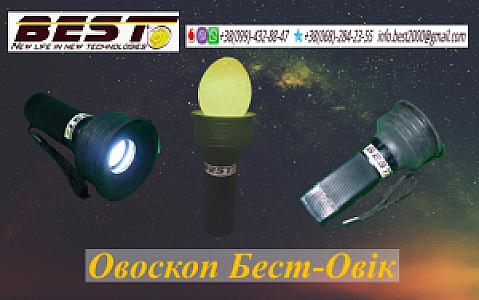
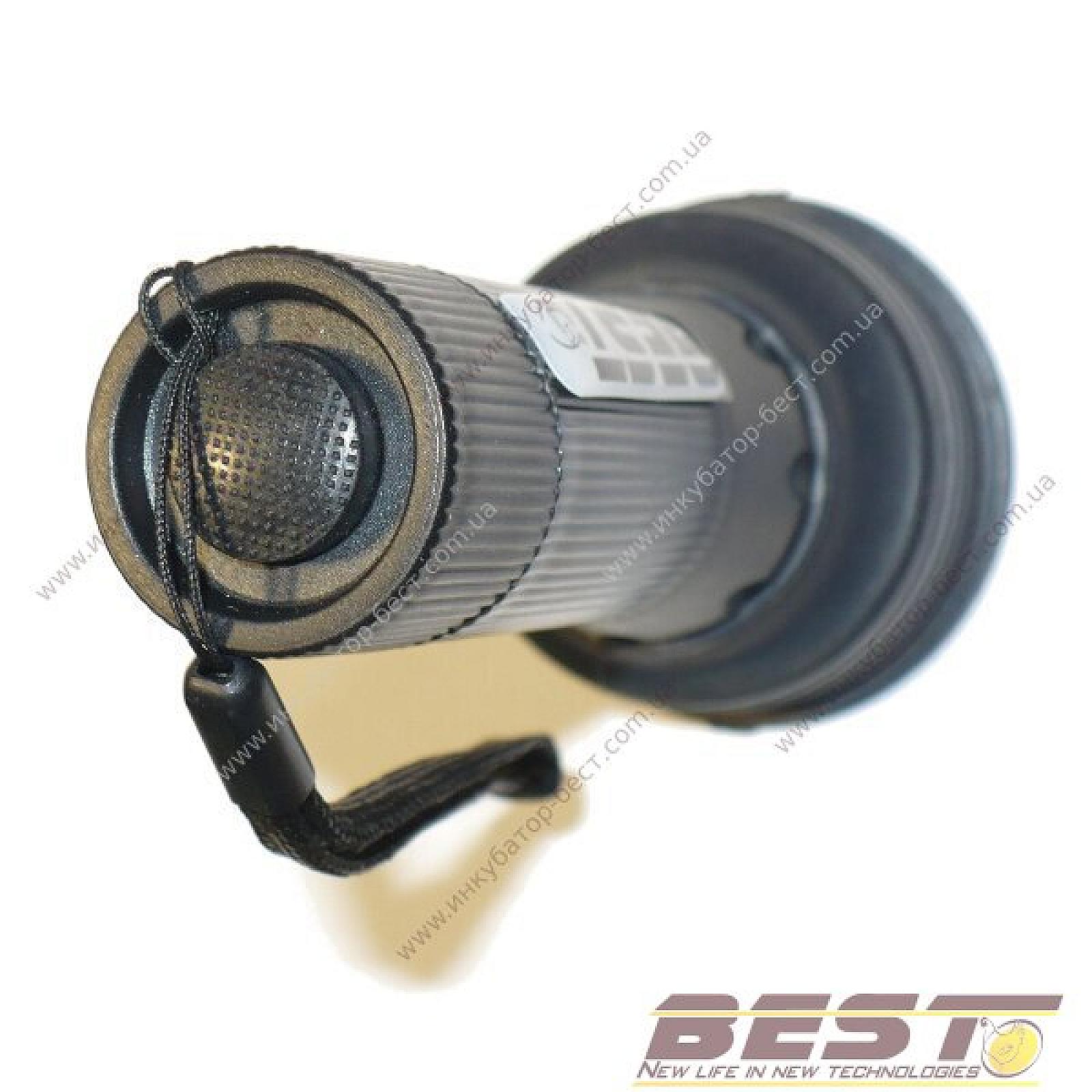
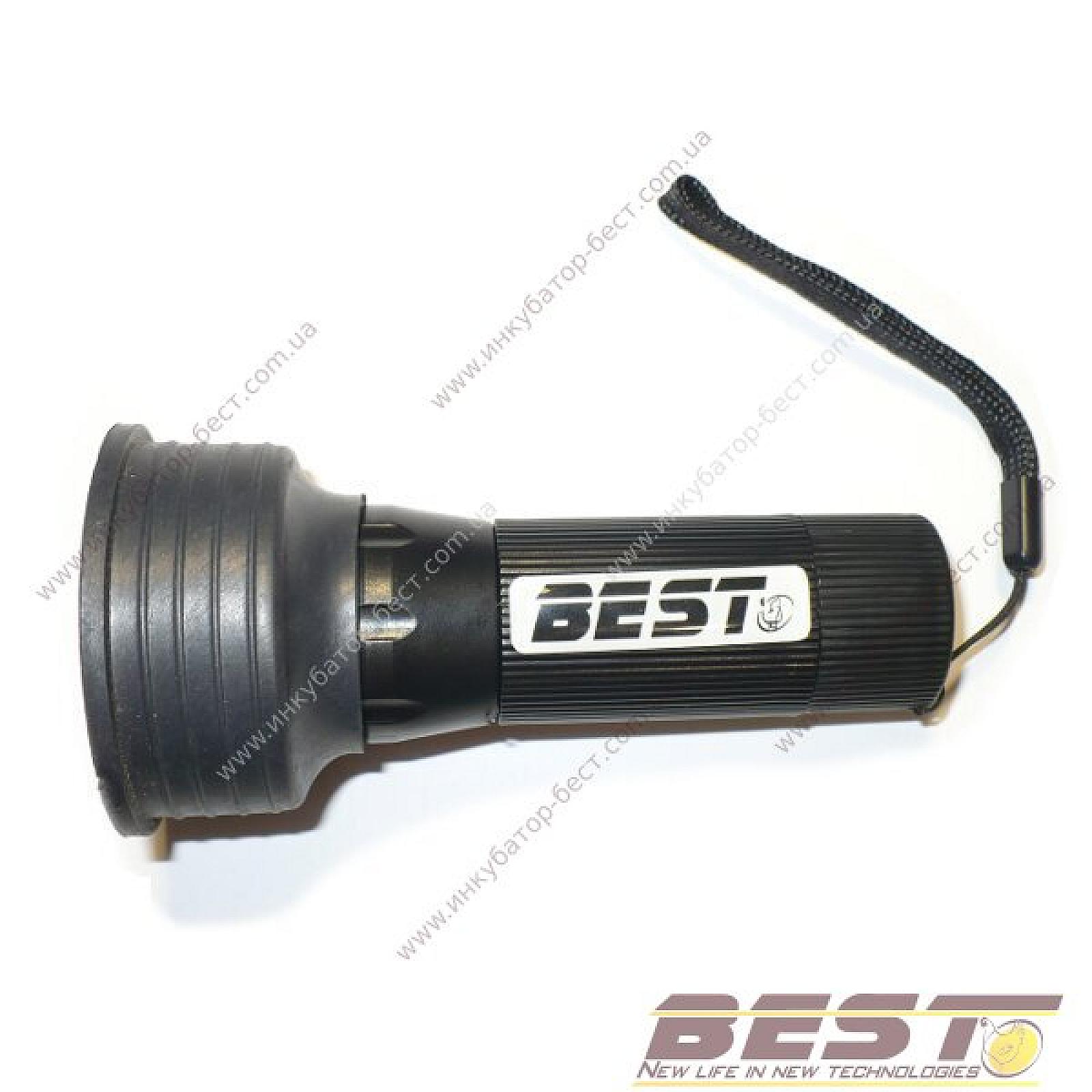
This portable, convenient, and powerful LED ovoscope can shine light through an incubating egg at any stage of incubation and anywhere!
Portability: The ovoscope runs on 3 AA batteries, ensuring portability and ease of use without being tethered to wires!!! You can inspect eggs without removing them from the incubator!
Convenience: compact size
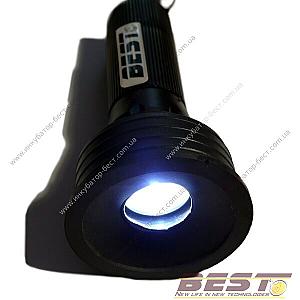
Power: a powerful LED equivalent to a 500-watt incandescent bulb ensures excellent illumination and visibility of the eggs
Durability: as is well known, LEDs last 10 times longer than conventional incandescent bulbs
The ovoscope also features a lens with beam-diffusion focusing
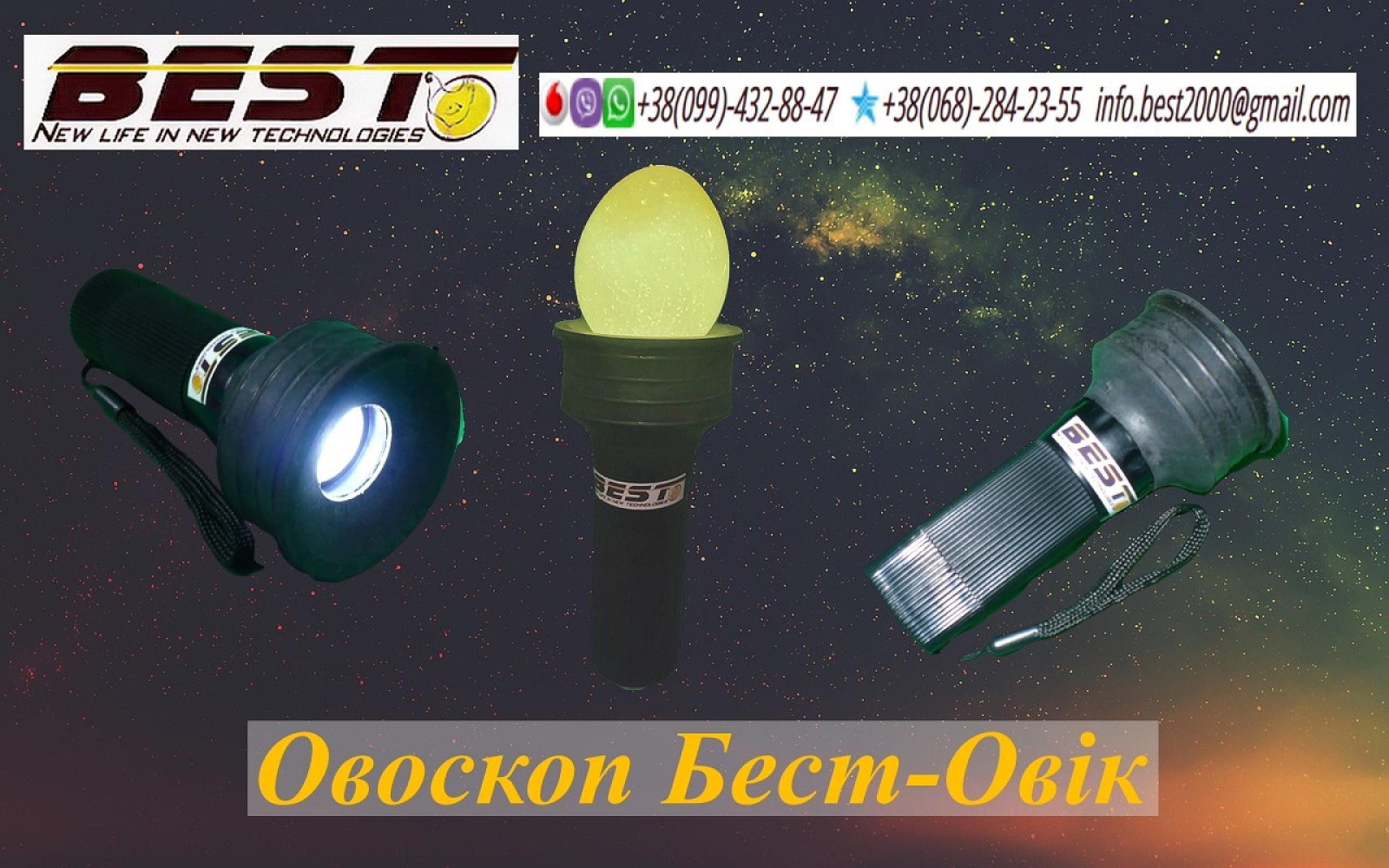
The ovoscope consists of a housing containing a power switch, an LED emitter, and a sealing rubber ring that prevents the light from reaching the observer’s eyes, thereby improving visibility. The sealing rubber ring is made of elastic rubber, which allows the ovoscope to inspect eggs of various diameters.
How to use the ovoscope:
Eggs are considered unsuitable for incubation if
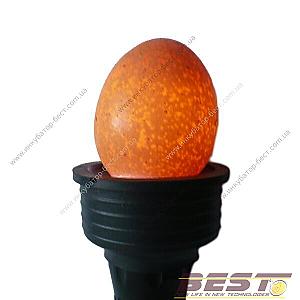
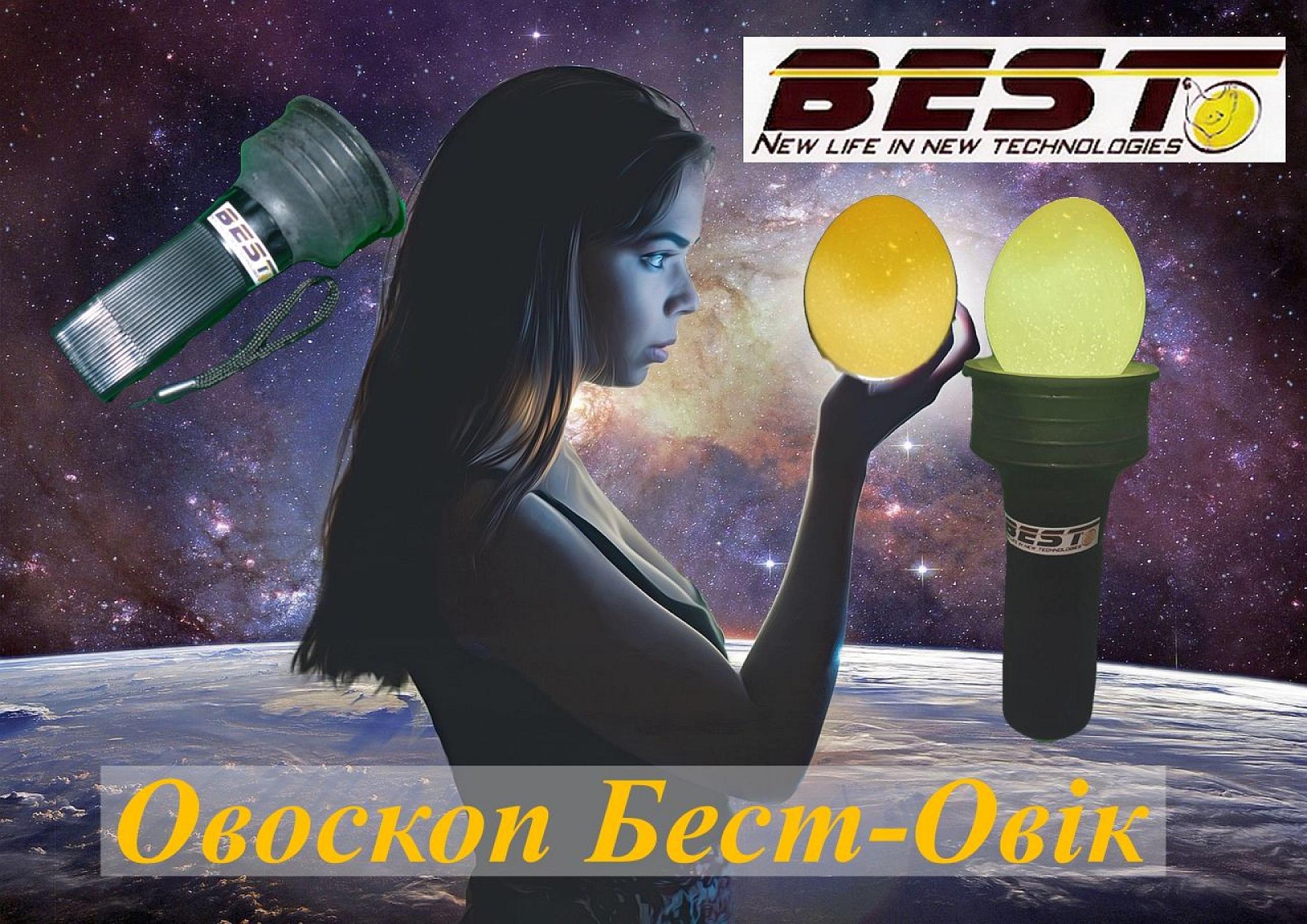
Hold the ovoscope in your hand and turn it on using the switch. Eggs can be examined directly in the incubator’s hatching tray without removing them, simply by pressing the ovoscope against the egg—a feature that makes this ovoscope more appealing than other models. Hold the ovoscope close to the egg being examined, pressing the rubber ring firmly against it. To ensure good visibility, there should be no gap between the ring and the egg. Check the integrity of the shell. Cracks and holes in the shell will appear as bright streaks and dots. The air cell should be located at the blunt end of the egg, appearing as a dark, round spot, and should remain stationary when the egg is turned or rotated. The yolk may move slowly inside the egg but should not touch the shell. In a fresh egg suitable for incubation, the contents are not dark but nearly transparent, and the yolk is less noticeable than in an older egg.
Place the egg into the light-shielding ring of the ovoscope. To ensure good visibility, there should be no gap between the ring and the egg. Turn on the ovoscope and examine the egg.
very dirty; misshapen;
with shell defects (cracks, thin shells, a large number of large calcareous growths);
double-yolked—such eggs have a low hatchability rate;
with a displaced or wandering air cell;
eggs in which the white has mixed with the yolk as a result of a ruptured yolk sac;
eggs in which the white or yolk is stained with blood;
moldy eggs, opaque eggs, or eggs with dark spots, blood, or other foreign inclusions;
“old eggs” that have been stored for a long time (when held up to the light, an enlarged air cell is visible; the yolk is large, dark, close to the shell or stuck to it, and its edges are more sharply defined than in a fresh egg; the white is runny, so the yolk moves around easily).